

Introduction
The basics of software testing are the basis for quality assurance in modern software development. Testing is necessary for every program, from a small mobile app to a complicated business system, to make sure it functions as it should. Beginners, students, and experts may learn how to find bugs, measure quality, and deliver dependable software to consumers by learning the basics of software testing. In today’s digital world, when software affects almost everything we do, knowing the basics of software testing is no longer optional; it’s necessary.
The idea behind software testing basics is to check and certify that software fulfills certain standards and works correctly. It makes ensuring that the final product is safe, stable, and easy to use. As development cycles get shorter, the basics of software testing become more and more important. This makes it a very important talent in the tech business.
What is Testing Software
To really get the foundations of software testing, you need to know what it means. Testing software means checking a program to see if it works as planned. The main purpose is to find bugs, mistakes, or missing requirements before the product is given to users.
The basics of software testing say that testing is not only about detecting defects, but also about making things better. It checks the functionality, performance, usability, and safety. Teams may save money, make their products more reliable, and make customers happier by using the foundations of software testing early in the development process.
Why Software Testing Is Important in Software Development
When you think about the risks of using untested software, it’s easy to see how important the basics of software testing are. Broken apps can cost a firm money, put its security at risk, and hurt its brand. Basic software testing helps avoid these problems by making sure that apps work as they should in a variety of situations.
From a commercial point of view, learning the basics of software testing can help you succeed in the long term. They make sure that criteria are met, lower maintenance costs, and build user trust. For developers, knowing the basics of software testing makes it easier to write better code and work well with testing teams.
The goals of Software Testing Basics
The goals of basic software testing go beyond just finding bugs. Testing is meant to make sure that the program works well, satisfies user needs, and is safe to use. It also makes sure that the software can work in real life without crashing.
Another important goal of learning the foundations of software testing is to lower risks. By finding important problems early, teams can avoid big problems after deployment. The foundations of software testing also include making sure that products work well on different platforms and devices, making them easier to use, and making sure they are compatible with all of them.
A Look at the Software Testing Life Cycle
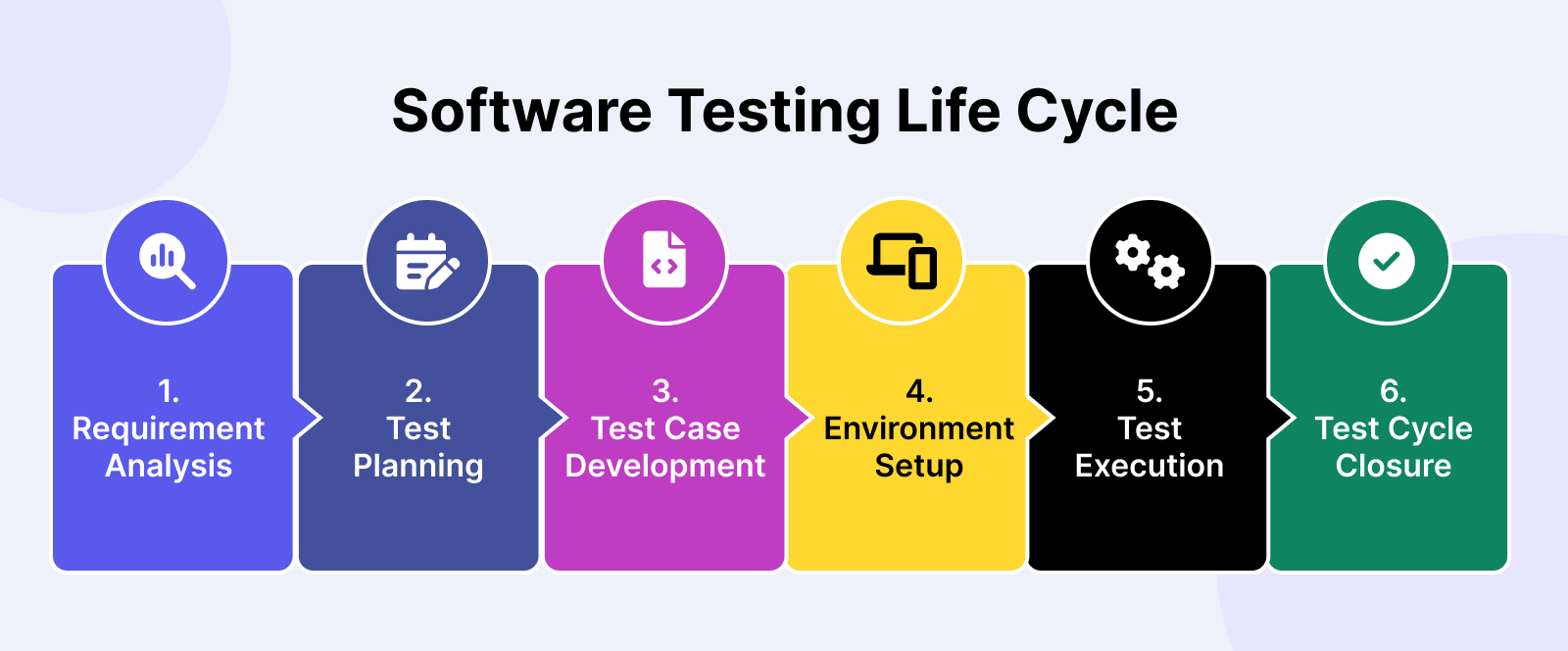
Knowing the Software Testing Life Cycle is an important element of learning the basics of software testing. This life cycle lays out defined steps that help testing activities from beginning to end. Each step makes sure that testing is organized and works.
The life cycle usually starts with requirement analysis, in which testers look at requirements to find things that can be tested. After that, there is test planning, making test cases, setting up the test environment, running the tests, and closing the tests. The basics of software testing say that each phase is linked to the others and helps make sure the quality of the whole system.
Different Kinds of Software Testing
One of the most important parts of learning the basics of software testing is learning about the different types of tests. There are several types of tests based on their purpose, how they are done, and how hard they are. Each type has a specific job to do to make sure the program is good.
Functional testing checks that features meet requirements, while non-functional testing checks performance, usability, and security. Software testing basics say that both functional and non-functional testing are necessary to make sure a product is complete and works as it should.
What is Manual Testing and What Does It Do
Manual testing is one of the most important ideas in the basics of software testing. It means running test cases without any automation tools. Testers use the application by hand to find bugs and make sure it works.
Basic software testing shows that manual testing is especially beneficial for exploratory testing, usability testing, and situations where human judgment is needed. Automation is popular, but manual testing is still a crucial aspect of the testing plan.
What is Automation Testing

Another important part of software testing basics is automation testing. It runs test cases automatically using scripts and tools. Automation testing makes things faster, more accurate, and more thorough, especially for jobs that are done over and over again.
The basics of software testing say that automation doesn’t take the place of manual testing; it works with it. Regression testing, performance testing, and running tests on a big scale are all great uses for automation. A balanced approach based on the basics of software testing makes sure you get the best results.
Different Levels of Software Testing
The basics of software testing also include the many stages of testing that are done during development. These levels make sure that each part and the whole system work properly.
Unit testing checks each module on its own, integration testing checks how components work together, system testing checks the whole application, and acceptance testing checks that the application is ready to be released. Every level follows the basics of software testing to make sure that everything is checked thoroughly.
Testing Methods That Are Common
Testing procedures are ways to make good test cases. Black-box testing, white-box testing, and gray-box testing are some of the primary methodologies used in software testing.
White-box testing looks at the internal logic, while black-box testing only looks at the input and output. Gray-box testing is a mix of the two. The foundations of software testing say that you should choose the right methodologies based on the needs of the project.
Key Testing Artifacts in the Basics of Software Testing
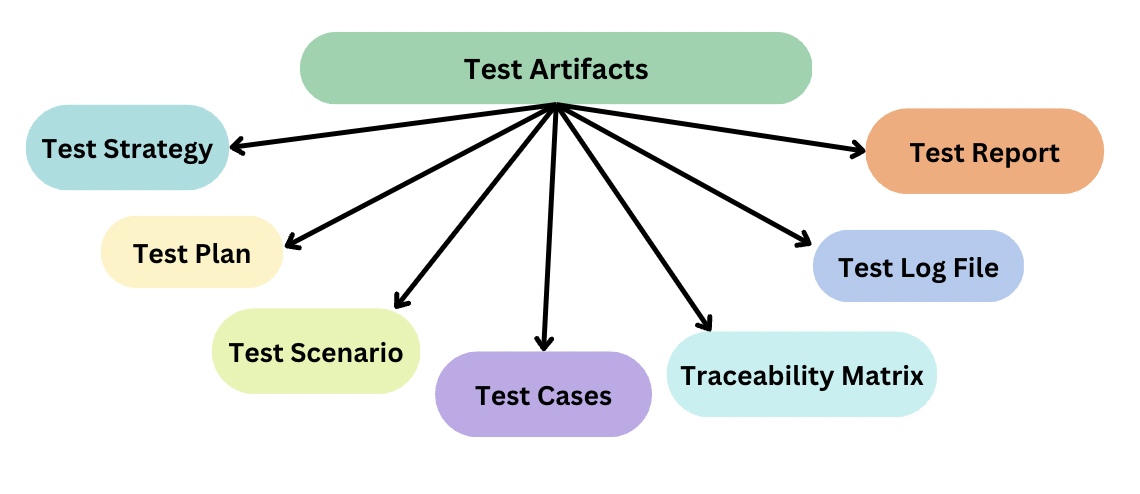
Artifacts are the documents and outputs that are made during testing. It’s important to know how to read these artifacts as part of fundamental software testing. Test plans, test cases, test scenarios, and defect reports are all examples of common artifacts.
These artifacts assist keep the project open, traceable, and consistent. The basics of software testing say that good documentation makes it easier for all parties to talk to each other and helps with future maintenance.
Managing Bugs and the Defect Life Cycle
In the basics of software testing, the defect life cycle is an important idea. It talks about the steps a defect goes through from being found to being fixed. Correctly managing bugs makes ensuring that problems are found, prioritized, and fixed quickly.
Software testing basics say that testers and developers need to talk to each other clearly when they are fixing bugs. A organized defect life cycle helps keep the quality of the product high and makes sure everyone is responsible.
The Basics of Software Testing Tools and Tech
Modern testing uses a number of technologies to make things work better. You should know how to use testing tools for test management, automation, and defect tracking as part of the basics of software testing.
Tools can help you get more done, but software testing basics say that tools alone can’t make sure quality. It’s just as crucial to have skilled testers, clear protocols, and good teamwork.
Problems With testing Software
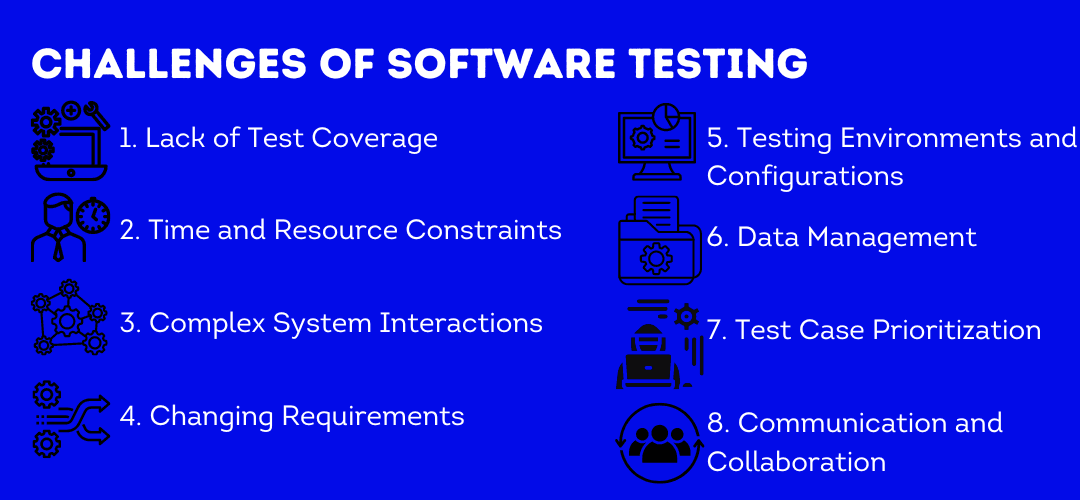
Testing is important, but it can be hard. Basic software testing takes into account problems like not having enough time, changing needs, and not having enough resources. These problems need careful planning and setting priorities.
Teams can get around these problems by using the foundations of software testing well. To get good results from testing, you need to keep learning, be flexible, and talk to others.
Basic Software Testing in Agile and Modern Development
Testing has changed a lot because of Agile and DevOps. Now, software testing basics include testing throughout the development cycle instead of only at the end.
Modern software testing basics include continuous testing, working together, and automation. This method guarantees faster feedback, better quality, and faster releases.
Why You Should Learn the Basics of Software Testing
There are several benefits to learning the basics of software testing for both people and businesses. It opens up job chances in quality assurance for people who are just starting out. It helps developers write better code and makes fewer mistakes.
Companies save money, make customers happier, and make their products more reliable. Basic knowledge of software testing is a good place to start when making high-quality software solutions.
A comparison between manual and automated testing
The table below makes it easy to see how software testing works in practice.
| Aspect | Manual Testing | Automation Testing |
|---|---|---|
| Execution | Performed by humans | Performed by tools |
| Speed | Slower | Faster |
| Accuracy | Prone to human error | Highly accurate |
| Best Use | Exploratory and usability testing | Regression and performance testing |
The table below shows the different levels of testing, which helps to reinforce some of the most important ideas of software testing.
Level of Testing: Purpose Unit Testing
| Testing Level | Purpose |
|---|---|
| Unit Testing | Validate individual components |
| Integration Testing | Verify interaction between modules |
| System Testing | Test the complete system |
| Acceptance Testing | Confirm readiness for release |
What is the Scope of Software Testing
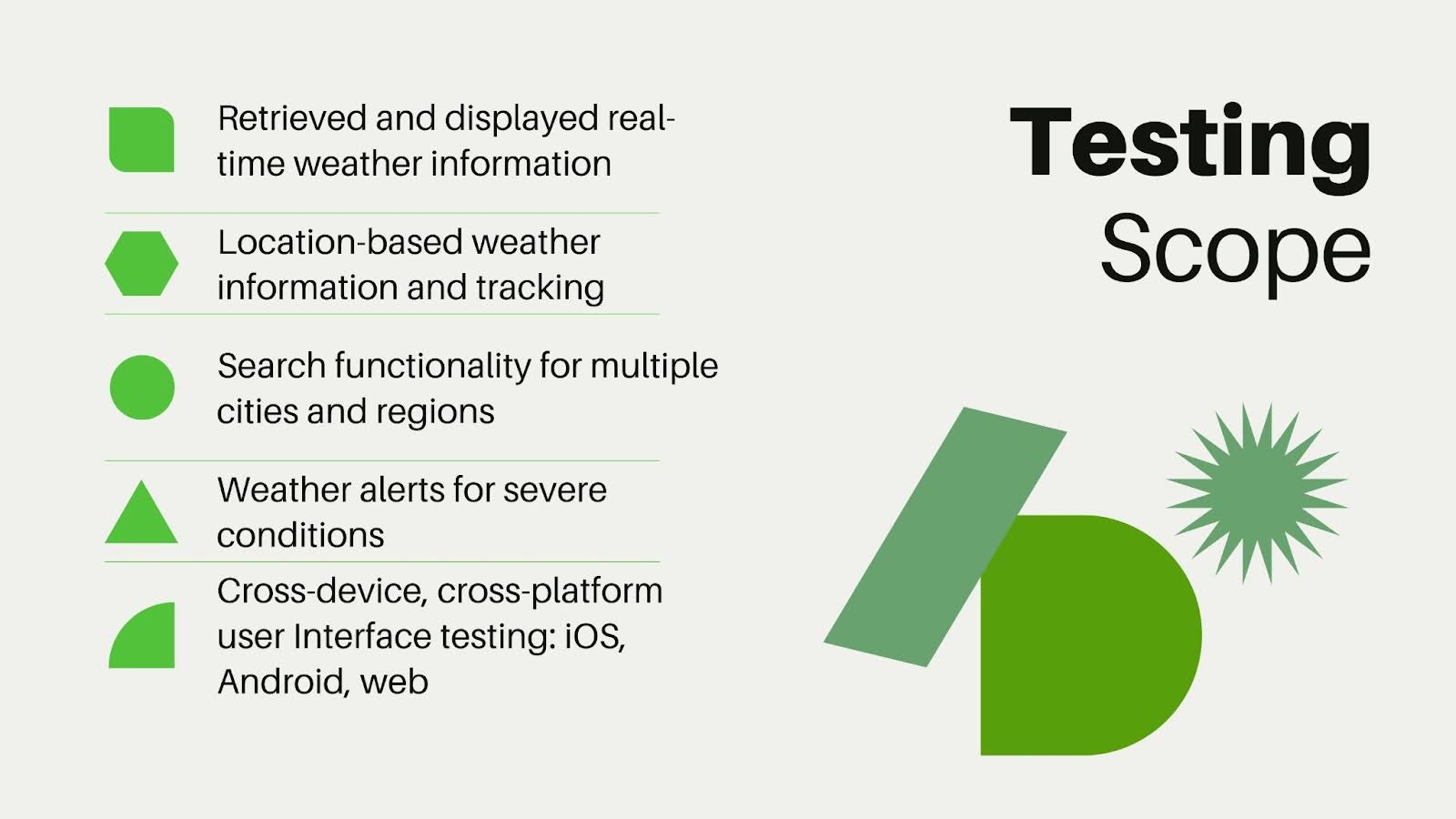
Technology keeps changing the future of testing. Artificial intelligence, machine learning, and advanced automation techniques are becoming more and more important in the basics of software testing.
The need for people who know the basics of software testing will keep growing as systems get more complicated. To be relevant in this area, you need to keep getting better and changing.
Conclusion
The basics of software testing give you the basic information you need to make sure that your software is of high quality, reliable, and works well. Software testing basics are the most important part of making software that works. They include comprehending testing ideas and using tools and methodologies. Individuals and companies may lower risks, make users happier, and provide strong applications in a digital world that is always evolving by learning the foundations of software testing.
Going over the basics of software testing again, no matter how skilled you are, helps you remember the most important ideas and get used to new ways of working. In a world where software is so important, having a thorough understanding of the principles of software testing is essential for long-term success.
Read More:- Free Video Editing Software for Beginners and Professionals