

Introduction
Companies are working on more initiatives than ever before in today’s fast-paced digital world. Teams have to operate under constant pressure to coordinate projects, meet deadlines, distribute resources, and make sure that the results are of high quality. This is true for both small businesses and big companies. This is when project management software becomes a must-have tool for businesses. It gives teams a clear approach to plan, carry out, keep an eye on, and finish tasks quickly while still being open and responsible.
The goal of project management software is to make things less complicated. Teams can utilize a centralized system to keep track of work, share updates, and manage risks instead of using spreadsheets, emails, or technologies that aren’t connected. As more and more people work from home or in a hybrid setting, project management software has gone from being a nice-to-have to a must-have.
How Project Management Practices Have Changed
For many years, project management has been a field of study, but the instruments that help it have changed a lot. Project managers used to depend a lot on planning on paper, schedules made by hand, and meetings in person. These strategies worked well for simpler tasks, but as companies grew and projects got more complicated, they didn’t function as well.
The advent of digital tools signified a pivotal moment. Early project management software was mostly about keeping track of tasks and scheduling. As time went on, these tools grew to incorporate functionality for working together, making reports, and connecting with other business systems. Modern project management software now enables agile methods, working together in real time, and making decisions based on data. This shows how work is changing.
The Main Goal of Project Management Software
The main goal of project management software is to assist teams finish projects on time, within the budget, and within the scope. It is the main place where all the information about the project is kept and updated. This covers things like tasks, deadlines, documents, conversations, and performance measures.
Companies may make their procedures more consistent, cut down on misunderstanding, and boost overall productivity by employing project management software. It gives project managers a clear picture of how things are going while letting team members focus on their own tasks. The program also helps with proactive management by finding possible problems and dangers before they become big problems.
Important Features That Make Modern Solutions What They Are

Modern project management software has a lot of various capabilities that help with different kinds of projects. With task management, teams may make, assign, and set priorities for work items. Scheduling tools assist set deadlines and dependencies, making sure that things are done in the right order.
Features that let people work together are just as crucial. These are things like shared workspaces, real-time updates, and built-in communication tools that cut down on the need for extended email chains. Reporting and analytics give managers information about how well a project is going, which helps them make smart choices. All of these aspects work together to make project management software a complete way to manage projects from start to finish.
Why it’s Important to have all Project Information in one Place
One of the best things about project management software is that it puts all the information in one place. All project data is kept in one location, so only people who are allowed to see it can get to it quickly. This cuts down on confusion created by old documents or information that doesn’t match up.
Centralized data also makes it easier for people to work together. Team members may instantly get the information they need without having to wait for answers or look through many different platforms. For project managers, having one source of truth makes it easier to keep an eye on things and makes sure that everyone is on the same page with project goals and expectations.
How to Help Your Team Work Together Better
Collaboration is very important for the success of a project, and project management software helps make that happen. The software helps teams work together better by giving them shared workspaces and making it easy to see what has to be done and how far along they are.
When you talk to someone with project management software, it’s usually about a specific job or milestone. This helps people understand each other better and keeps conversations on track. Because of this, teams can address problems more quickly and keep things moving throughout the project’s life cycle.
Help for Different Ways to Do Projects
Different projects need different ways of being managed, and modern project management software can work with a lot of different methods. The software may be set up to operate with any kind of planning, whether it’s classic waterfall planning, agile frameworks, or a mix of the two.
Features like sprint planning, backlog management, and tracking progress in small steps are helpful for agile teams. Detailed schedules and milestone tracking might be used for more traditional projects. Because it can be used in so many different ways, project management software is useful in many different fields and for many different types of projects.
Benefits for New Businesses and Small Businesses

Small businesses and startups frequently don’t have a lot of resources, therefore they need to be as efficient as possible. These companies can make the most of their time and skill with the help of project management software. Teams may focus on the most important work without feeling overwhelmed if they organize their tasks and priorities.
Project management software also helps you make better decisions by giving you more information. Founders and managers can rapidly see how things are going and change plans if they need to. This level of control is quite useful in places where things are growing quickly and priorities can change quickly.
Benefits for Big Businesses

Large companies have to deal with complicated portfolios of projects that involve several teams and departments. In these kinds of situations, project management software gives you the structure you need to keep things consistent and under control. It lets the company standardize its operations while still letting each project be flexible.
business-level project management software frequently has complex functionality including tracking portfolios, managing resources, and working with other business systems. These features assist businesses make sure that their initiatives are in line with their strategic goals and use their resources more efficiently on a bigger scale.
Comparison between Manual Methods and Software-Based Management
| Aspect | Manual Project Management | Software-Based Project Management |
|---|---|---|
| Task Tracking | Relies on spreadsheets or notes | Automated and real-time tracking |
| Collaboration | Dependent on meetings and emails | Centralized and instant updates |
| Reporting | Time-consuming manual reports | Automated insights and dashboards |
| Scalability | Difficult to scale | Easily adapts to growth |
This comparison shows why a lot of businesses are switching from doing things by hand to using project management software. Digital tools are much more efficient and clear than old-fashioned methods.
Increasing Responsibility and Productivity
When teams know what their goals and duties are, they get a lot more done. Project management software makes sure that every task is given out, tracked, and watched over. Everyone on the team knows what they need to do and when it needs to be done.
It is also easier to hold people accountable when everyone can see how things are going. This openness makes people feel responsible and less likely to miss deadlines. Over time, companies that use project management software generally notice improvements in both the work of each person and the results of the project as a whole.
Tracking Issues and Managing Risks
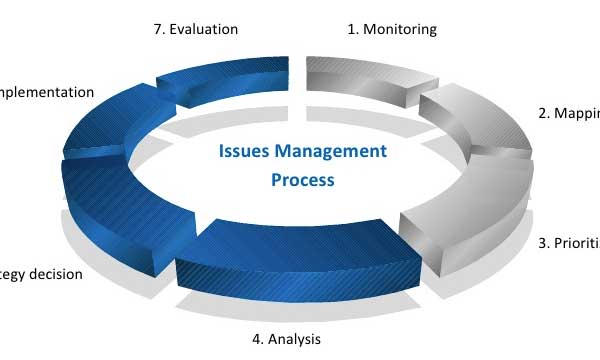
There are always risks involved with a project, whether they are about time, money, or the project’s scope. Project management software lets you find and deal with these hazards before they happen. Keeping track of dependencies and progress might help find problems before they happen.
Issue tracking tools let teams write down problems, assign blame, and keep an eye on how they are being fixed. This organized way of managing risks lowers the chance of surprises and raises the chance of finishing the project on time.
Planning and using resources
To make a project a success, resources must be used wisely. Project management software has capabilities to help you plan and keep track of how resources are being used. Managers can monitor who is doing what and find out if someone is working too hard or not enough.
Companies can avoid burnout and make sure that important projects get the attention they require by managing workloads well. It’s hard to have this level of visibility without special project management software.
Working With other Business Tools
A lot of digital tools are used in modern businesses, from communication tools to accounting systems. These tools often work well with project management software, making a connected ecosystem.
Integrations make ensuring that information flows seamlessly between systems and cut down on duplicate work. This connection makes things run more smoothly and lets teams focus on providing value instead of maintaining tools.
Things to think about for Security and data Protection
Security is a big worry as project data gets more and more digital. Providers of project management software spend a lot of money on encryption, access controls, and following industry standards to keep user data safe.
Organizations can set user permissions to make sure that only authorized people can see sensitive information. This level of control makes project management software a safe way to handle important company tasks.
Problems in Using Project Management Software
Even though project management software has a lot of benefits, it can often be hard to use. People often don’t want to change, especially in businesses that are used to doing things the old-fashioned way. To get past this barrier, you need good training and clear communication.
Finding the correct remedy is another problem. Organizations need to carefully think about what they need and choose software that fits their aims because there are so many choices. These problems can be handled well if they are thought about carefully.
Best Ways to Make Sure Implementation Goes Well
Planning and dedication are needed for project management software to work well. Organizations should start by making their goals and processes clear. Getting team members involved in the implementation process makes them more likely to accept and use it.
Training and help that are always available are also vital. As teams get used to the program, they may try out more advanced capabilities and make their workflows better. Continuous innovation makes sure that project management software will be useful for a long time.
Trends in Project Management Technology for the Future
New technologies are changing the future of project management software. Combining AI and automation makes it easier to forecast things and cuts down on the need for people to do things by hand. These improvements help teams get ready for problems and make better choices.
Software development is also being affected by the rise of remote and hybrid work. Future solutions will continue to focus on collaboration, adaptability, and real-time visibility. This will make sure that project management software stays useful in a world that is always evolving.
Summary of Common Use Cases
| Use Case | How Project Management Software Helps |
|---|---|
| Product Development | Coordinates tasks, timelines, and teams |
| Marketing Campaigns | Tracks deliverables and deadlines |
| IT Projects | Manages complex dependencies |
| Construction Projects | Monitors progress and resources |
These examples show how project management software may be used in many different fields and for many different sorts of projects.
In conclusion: The Strategic Importance of Project Management Software
In a time when being efficient and flexible is the key to success, project management software has become an important tool for businesses. It helps with systematic planning, makes it easier for people to work together, and gives you the information you need to manage complicated projects well.
Companies may get more done, lower risks, and get better results by using project management software. The value it brings extends beyond just managing tasks; it helps organizations work smarter and reach their goals with confidence, whether they are small teams or giant companies.
Read More:- Software Testing Basics: A Complete Beginner’s Guide